

Within today’s corporate planet, web based increasingly mindful of their ecological responsibilities. One generally overlooked but highly effective approach in order to promoting sustainability is commercial landscape maintenance. Properly planned landscapes can significantly reduce a company’s ecological impact while also improving the aesthetic and even functional value involving commercial properties.
Exactly how Does Commercial Landscaping Reduce Carbon Emissions?
Well-designed landscapes can serve as carbon sinks. Trees, shrubs, and various other plants absorb carbon dioxide from the environment, helping to offset emissions generated by business operations. Research shows that just about every acre of well-maintained greenery can get rid of as much as 2. 6th plenty of CO2 every year. Incorporating native and even drought-resistant plants further reduces the have to have for fuel-intensive irrigation and maintenance.

May Commercial Landscaping Enhance Water Efficiency?
Totally. Efficient landscaping reduces water consumption by integrating smart irrigation systems, rain home gardens, and permeable surface types. These measures not only conserve water but also avoid runoff that can easily carry pollutants in to nearby water systems. Businesses adopting these kinds of strategies often notice a 30–50% lower in water use compared to standard landscaping methods.
Just how Does Landscaping Help Biodiversity?
Commercial scenery designed with sustainability in mind will serve as micro-habitats for local wild animals. Pollinator-friendly plants, bird-friendly trees, and naturalized areas encourage ecological diversity. Studies reveal that urban regions with such scenery experience higher insect pest and bird populations, supporting overall ecosystem health.
What Position Does Soil Well being Play in Environmental Impact?
Healthy garden soil can be a cornerstone involving eco-friendly landscaping. This sequesters carbon, enhances bloating, and minimizes erosion. Incorporating fragment, mulch, and organic fertilizers instead of chemical alternatives tones up soil structure whilst limiting environmental toxic contamination.
How Can Organizations Measure the Impact with their Landscaping?
Traffic monitoring the environmental benefits associated with commercial landscaping involves monitoring energy personal savings, water usage, and biodiversity levels. Many businesses employ durability audits to assess reductions in LASER emissions and source consumption. Data-driven information help companies make informed decisions approximately future landscaping tasks.
Are There Economical Benefits to Environmentally-Friendly Landscaping?
Yes. Environmentally friendly landscapes reduce extensive operational costs simply by lowering water bills, decreasing maintenance requirements, and minimizing energy consumption. Moreover, businesses often enjoy increased reputations as eco responsible organizations, which can attract clientele and employees who else value sustainability.
Precisely how Does Landscaping Lessen Urban Heat?
Green spaces in industrial settings can reduce the urban high temperature island effect. Trees and shrubs and vegetation cool surrounding areas through shade and evapotranspiration. Even modest landscaping efforts can lower surface temperatures by 5–10 degrees Degrees fahrenheit, contributing to power savings and increased comfort for workers and visitors.
Precisely what Are Some Major Trends in Eco-Conscious Commercial Landscaping?
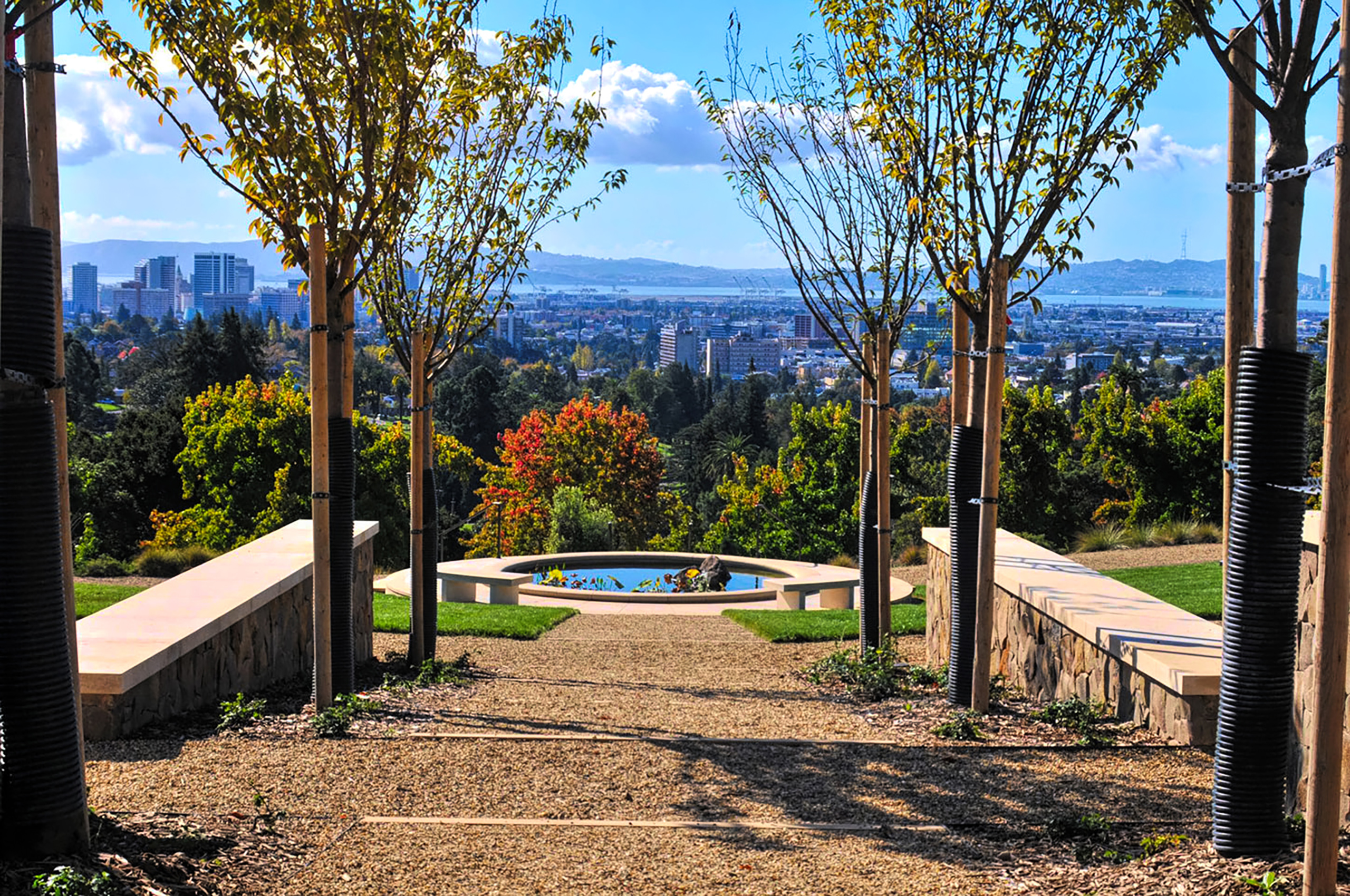
Modern trends include xeriscaping, rainwater harvesting, green roofs, and the integration of intelligent irrigation technologies. Organizations increasingly prioritize indigenous plants, sustainable supplies, and low-maintenance panoramas that combine splendor with environmental duty.
How could Businesses Get Started?
Commence with the environmental audit to be able to identify areas regarding improvement. Partnering using professional landscape creative designers who specialize inside of sustainability ensures that will projects are eye-catching and eco-efficient. Employing gradual improvements, such as replacing turf with native plantings or upgrading irrigation systems, can produce meaningful environmental advantages over time.
Final Feelings
Commercial landscaping is usually far more than decorative—it is a practical tool intended for reducing environmental influence. By integrating lasting practices, businesses will lower resource consumption, support biodiversity, and even create healthier, more enjoyable spaces. In today’s eco-conscious marketplace, intelligent landscaping is certainly not just good for the particular planet—it’s best for enterprise.